

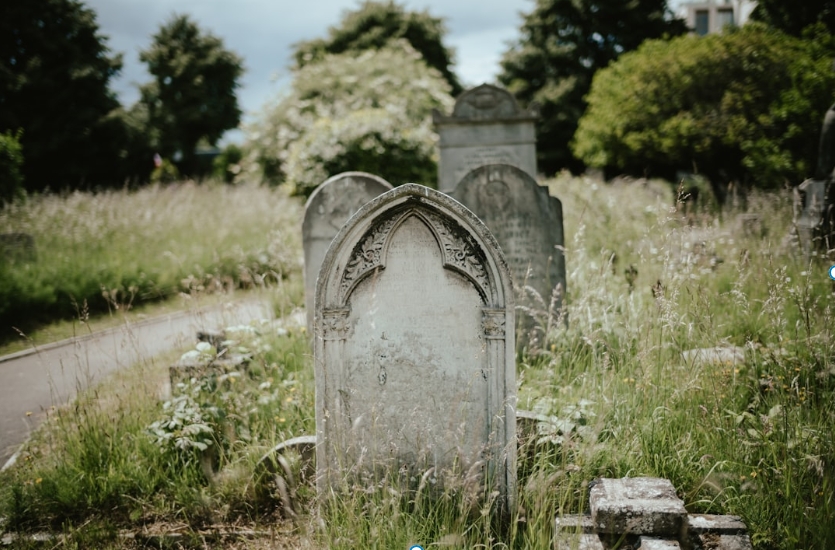
The History and Significance of Burial Practices

Ever wonder why we bury people the way we do, or why this practice has been around for so long? It turns out, burial is one of humanity’s oldest and most consistently understood rituals, stretching back tens of thousands of years. It’s not just about getting rid of a body; it’s deeply tied to how we understand life, death, and our place in the community.
Ancient Roots: The Dawn of Burial
The earliest clear evidence of intentional burial practices comes from a time when our ancestors were just beginning to explore complex social behaviors. These aren’t just accidental rockfalls or animal scavenging. These are deliberate actions, showing a level of care and cognition that fascinates archaeologists.
The Oldest Graves
The Neanderthals are often credited with some of the earliest intentional burials. Sites like Shanidar Cave in Iraq and La Chapelle-aux-Saints in France have yielded skeletal remains placed in specific positions, sometimes with grave goods like tools or animal bones. The sheer effort and thought involved suggest a developing sense of empathy or a ritualistic approach to death.
Early Homo sapiens and Burial
As Homo sapiens emerged, burial practices became more refined. The Skhul and Qafzeh caves in Israel, for example, contain burials dating back over 90,000 years. These early humans were burying their dead with a growing sense of ceremony, sometimes including red ochre, a pigment that likely held symbolic meaning, perhaps representing blood or life.
The Significance of Grave Goods
The inclusion of “grave goods” – objects placed with the deceased – is a crucial clue. These might be tools, weapons, jewelry, or even food. Their presence strongly suggests a belief that the afterlife, or some continuation of existence, was a reality, and that these items would be useful or meaningful in that realm. It also speaks to the social status or personal connections of the deceased.
Burial in Ancient Civilizations: Empires and Elaborate Rituals
As societies grew more complex and organized, so did their burial practices. Wealthier and more powerful civilizations often invested heavily in elaborate tombs and funeral rites, reflecting their social structures and religious beliefs.
Egyptian Pyramids and Tombs: More Than Just Graves
Perhaps the most iconic examples come from ancient Egypt. The pyramids of Giza, while colossal, were just the tip of the iceberg. The Egyptians developed a sophisticated theology around death and the afterlife, believing that the preservation of the body was essential for the soul’s journey.
Mummification: Preserving the Physical Form
The elaborate process of mummification was designed to prevent decomposition. Organs were removed, the body was dried with natron salts, and then wrapped in linen bandages. This was a labor-intensive and highly skilled process, undertaken for pharaohs and the elite.
Elaborate Tomb Contents
Egyptian tombs were packed with everything the deceased might need in the afterlife: furniture, food, clothing, religious texts (like the Book of the Dead), and even servants (depicted in tomb paintings or statuettes). The tomb was essentially a final home, designed to ensure comfort and status for eternity.
Mesopotamian Burials: Varied Practices
In Mesopotamia, burial customs varied depending on the city and the era. Common practices included inhum wody burials in simple pits, but also more elaborate sarcophagi and collective tombs for families. Grave goods, often pottery and personal ornaments, were typical.
The Royal Tombs of Ur
The discovery of the Royal Tombs of Ur revealed incredible wealth and ritualistic detail. Some burials included human sacrifices – attendants and soldiers who were seemingly accompanying their rulers into the afterlife. This practice highlights the immense power and perceived divinity of Mesopotamian rulers.
Greek and Roman Practices: Ancestor Veneration and Civic Duty
Greek and Roman societies also placed a strong emphasis on proper burial. It was seen as a civic duty and a crucial step in honoring ancestors and maintaining social order.
Greek Hades and the Afterlife
The Greeks believed in an underworld ruled by Hades. Proper burial rites, including lamentation and libations (offerings of liquid), were thought to ensure that the soul reached its final destination and could rest. Tombstones (stelae) often bore inscriptions and depictions of the deceased.
Roman Cremation and Inhumation
The Romans practiced both cremation and inhumation. Cremation became popular, with ashes often placed in ornate urns displayed in columbaria (buildings with niches for urns). Inhumation also continued, with elaborate sarcophagi for the wealthy. The concept of the manes (ancestral spirits) was important, and families would hold regular rituals to appease them.
Medieval European Burials: Faith, Community, and the Ground
The rise of Christianity profoundly shaped burial practices in Europe. Death became viewed through the lens of salvation and judgment, and the church played a central role in funeral rituals.
The Sacred Ground of the Churchyard
For centuries, the primary burial place in Christian Europe was the churchyard. These were considered consecrated ground, offering a spiritual connection to the church and its sacraments. Being buried near the church was often a sign of status or piety.
Christian Doctrine and the Body
Christian doctrine emphasized the eventual resurrection of the body. This meant that the body itself was important and needed to be treated with respect. The focus shifted from providing for the deceased in an afterlife to ensuring their spiritual journey to heaven and their eventual bodily resurrection.
Grave Goods Decline, Symbolism Rises
As Christian beliefs solidified, the practice of including elaborate grave goods largely diminished. Instead, symbolism became more important. Coffins, when used, were often simple wooden boxes. Gravestones, when they appeared, became markers of identity and prayer, sometimes featuring crosses or images of saints.
The Influence of Social Status
Even within church graveyards, social status made a difference. Wealthier individuals might have larger, more elaborately carved tombstones, or be buried closer to the altar. The poor were often interred in less prominent areas.
The Rise of Crypts and Mausoleums
For the very wealthy and powerful, particularly nobility and high clergy, dedicated crypts within churches or freestanding mausoleums became more common. These provided a more permanent and visible resting place, often intended to be perpetual memorials.
Modern Burial Practices: A Spectrum of Tradition and Innovation
Today, burial practices are incredibly diverse, influenced by cultural heritage, religious beliefs, and individual choices. While traditional methods persist, new approaches are also emerging.
Religious and Cultural Continuity
Many long-standing traditions continue. Judaism emphasizes hastiness of burial, with emphasis on simplicity and communal prayer. Islam also prioritizes swift burial and discourages elaborate monuments. These practices are rooted in specific theological interpretations and societal values of respect for the deceased and the living.
Secularization and Personalization
In many Western societies, secularization has led to a broader range of options. “Green burials” or natural burials are gaining traction, focusing on eco-friendly practices that minimize environmental impact. Personalization is also key, with a growing desire to tailor funeral services and memorials to reflect the individual’s life and personality.
Green Burials: Returning to Nature
Green burials involve burying the deceased in biodegradable shrouds or coffins, without embalming, in natural settings. The aim is to allow the body to decompose naturally and return to the earth, minimizing the use of concrete vaults and toxic chemicals.
Memorialization: From Gravestones to Digital Tributes
Memorialization has also evolved. While traditional gravestones and monuments remain popular, we also see digital memorials, online obituaries, and even the spread of ashes in meaningful locations. The goal is often to create a lasting legacy and a space for remembrance.
The Practicalities of Modern Cemeteries
Modern cemeteries are often run as businesses, managing plots, maintenance, and interment services. The landscape of cemeteries themselves has changed, from intimate churchyards to larger, more organized memorial parks.
The Enduring Significance of Burial
Regardless of the specific method, the act of burying the dead remains profoundly significant in human societies. It’s more than just disposal; it’s a cornerstone of our emotional and social lives.
Honoring and Remembering the Deceased
At its core, burial is an act of honor. It’s a way for the living to acknowledge the life that has passed, to show respect, and to begin the process of grieving and remembrance. The ritual itself provides a structured way to confront mortality.
Community and Social Cohesion
Funerals and burial rites are often communal events. They bring people together, reinforcing social bonds, offering mutual support, and reaffirming shared values. The collective act of mourning and preparing for burial strengthens the community’s sense of identity and solidarity.
The Biological and Psychological Imperative
From a biological perspective, dealing with the dead is a practical necessity. However, the human approach has elevated this necessity into a profound social and psychological ritual. It helps us process loss, find closure, and maintain a connection with those who have gone before us.
A Tangible Connection to the Past
Burial sites, from ancient tombs to modern cemeteries, serve as tangible links to our history and our ancestors. They offer places for reflection and connect us to the continuum of human experience. The care we take in burying our dead reflects our understanding of our own mortality and our place within a larger lineage.