

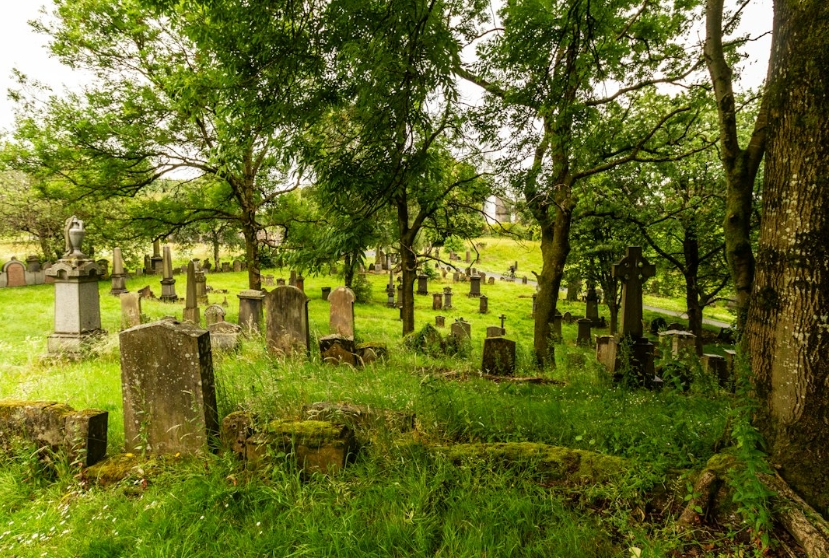
Owner Selling Cemetery Plots: Find Your Final Resting Place
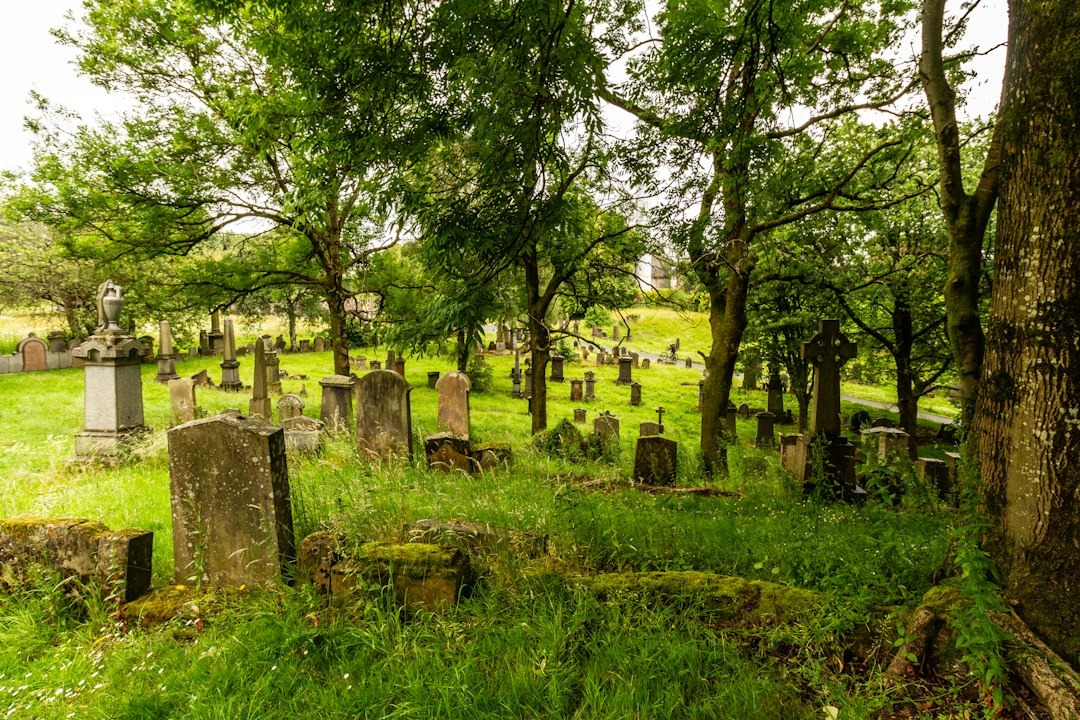
Cemetery plots are important pieces of property, and sometimes, individuals who originally purchased them discover they no longer need them. This can happen for various reasons: family plans change, a move occurs, or perhaps different arrangements are made. Instead of letting these plots go unused, many owners choose to sell them directly. This guide will walk you through the process of finding and potentially purchasing a cemetery plot from a private seller, offering a practical look at what to expect and how to navigate this unique market.
Understanding why someone is selling their plot can be helpful, though it’s not always crucial to the transaction itself. Knowing the common reasons can give you a better sense of the market dynamics.
Changing Life Circumstances
Life is unpredictable. A family might have bought plots in their hometown, only to have their children settle in a different state, leading to a desire for final rest closer to their relocated loved ones. A job transfer, a change in retirement plans, or even an unexpected inheritance that allows for a different burial arrangement can all lead to a plot being put up for sale.
Pre-Need Planning Shift
Many people purchase plots years, even decades, in advance as part of their pre-need funeral planning. Over time, their preferences might evolve. They might decide on cremation instead of burial, or they might discover a preferred cemetery closer to a new residence. Sometimes, families purchase a larger section than they ultimately need, leaving extra plots available.
Financial Considerations
While less common, some individuals might need to sell assets due to unexpected financial hardship. A cemetery plot, while holding sentimental value, is still a piece of real estate, and its sale can provide necessary funds.
Where to Look for Privately Sold Plots
Finding owner-sold cemetery plots requires a bit of detective work, as there isn’t one central database. You’ll need to explore several avenues.
Online Marketplaces and Classifieds
The internet is often the first stop for many looking to buy or sell anything, and cemetery plots are no exception.
Specialized Cemetery Plot Websites
There are websites specifically dedicated to listing cemetery plots for sale by owner. These platforms often allow sellers to list their plots with details like cemetery name, location within the cemetery, number of plots, and asking price. They cater exclusively to this niche market, making communication between buyers and sellers more streamlined. Examples include GraveSales.com or USGraveSites.com (though website names and availability can change).
General Classifieds Sites
Popular classified platforms like Craigslist or local Facebook Marketplace groups can also be surprisingly effective. Sellers often post there to reach a wider local audience. When browsing these sites, be specific in your search terms, including the cemetery name or general geographical area you’re interested in.
Social Media Groups
Many local community Facebook groups or spiritual/religious community groups will allow posts for items like cemetery plots. This can be particularly useful if you are looking for a plot within a specific community or religious section of a cemetery.
Cemetery Offices and Associations
Don’t overlook the direct route. Many existing cemeteries are aware of plots available through private sales within their grounds.
Inquiry at the Cemetery Office
Even if a cemetery doesn’t actively “broker” private sales, their administration office often has a bulletin board or a list of plots that owners are looking to sell. They might also be able to put you in touch with owners who have expressed an interest in selling, or at the very least, confirm the existence and exact location of a plot you’re considering.
Cemetery Associations & Friends Groups
Some older or larger cemeteries have active “Friends of the Cemetery” groups or historical associations. These groups are often deeply knowledgeable about the cemetery and its plot owners and may be a valuable resource for connecting buyers and sellers.
Local Funeral Homes
Funeral directors often have a deep understanding of local cemeteries and the needs of their community.
Networking with Funeral Directors
Funeral homes are regularly in contact with families planning arrangements. They may hear about plots that are no longer needed or know of individuals who are looking to sell. While they typically don’t act as brokers, they can sometimes make connections. It’s worth a polite inquiry if you have a relationship with a local funeral home.
What to Consider When Buying Privately

Buying a cemetery plot from an individual is different from purchasing directly from a cemetery. There are specific considerations to keep in mind.
Plot Location and Condition
Just like real estate, location is key, even within a cemetery. The exact placement of the plot can significantly impact its desirability and value.
Specific Section and Proximity
Consider the section of the cemetery. Is it in an older, established area with mature trees, or a newer, more open section? Is it close to an entrance, a road, a water feature, or a memorial? Some people prefer quiet, secluded spots, while others prefer easy access. Verify the exact plot number and walk the area if possible to ensure it meets your expectations.
Usage Rights and Capacity
Understand what the plot allows. Most single plots are for one traditional burial, but some allow for double depth (two burials, one above the other in the same footprint) or a combination of traditional burial and cremation urns. Clarify these usage rights with the seller and, importantly, confirm them with the cemetery office.
Understanding the Financial Aspects
Beyond the purchase price, there are other costs and financial factors to consider when buying a privately sold plot.
Negotiating the Price
Owner-sold plots are often more flexible in pricing than those bought directly from a cemetery. Sellers are sometimes motivated to simply recover their initial investment or are looking for a quick sale. Research comparable plots in the same cemetery sold by the cemetery itself to get a baseline idea of market value. Remember that plots often appreciate in value over time, so an owner may be asking for more than they originally paid.
Transfer Fees and Endowments
This is perhaps the most critical financial consideration. Cemeteries almost always charge a transfer fee for ownership changes. This fee can range from a few hundred dollars to sometimes over a thousand. Clarify who pays this fee (buyer or seller) before agreeing to a price. Additionally, inquire about perpetual care or endowment fees. Most plots include this, ensuring the cemetery is maintained forever, but confirm it’s part of the existing plot’s arrangement and isn’t an additional cost you’ll incur upon transfer.
Payment Methods
Discuss payment methods with the seller. For larger sums, an escrow service or a bank wire transfer is the safest option. Avoid cash transactions for significant amounts without proper documentation and third-party oversight.
Legal and Administrative Steps
The transfer of a cemetery plot is a legal process involving specific documentation.
Obtaining Documentation from the Seller
The seller should provide you with their original Deed or Certificate of Interment Rights. This document proves their ownership. If they don’t have it, they’ll need to obtain a replacement from the cemetery directly, which can sometimes involve a fee. Do not proceeding without verifying their ownership with this document and checking with the cemetery.
Cemetery Involvement in Transfer
The cemetery must be involved in the transfer process. They are the ultimate record keepers. Once you and the seller agree on terms, both parties will typically need to complete paperwork at the cemetery office. This includes filling out a transfer of ownership form, paying any applicable transfer fees, and then the cemetery will issue a new Deed or Certificate of Interment Rights in your name. This is a non-negotiable step to ensure lawful ownership.
Researching Cemetery Rules and Regulations
Before committing, familiarize yourself with the cemetery’s specific rules regarding monuments, markers, permitted flora, visiting hours, and any other regulations. These rules are part of the agreement when you own a plot within their grounds, and they can vary significantly between cemeteries.
Advantages and Disadvantages of Buying from an Owner
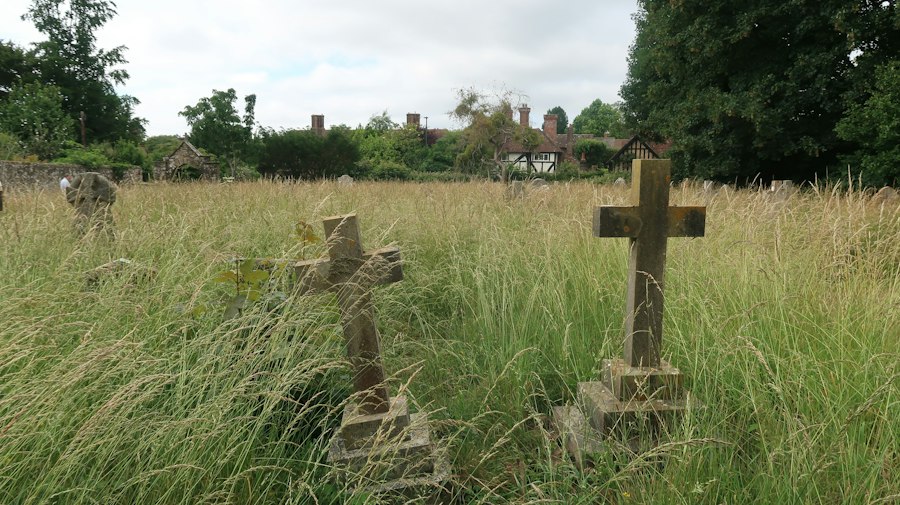
Like any transaction, there are pros and cons to buying a cemetery plot from a private individual.
Potential Advantages
Several benefits can make owner-sold plots an attractive option.
Cost Savings
Often, the primary advantage is the potential for a lower cost compared to purchasing directly from the cemetery. Sellers may be willing to negotiate, especially if they are motivated to sell. This can be particularly true if the cemetery has long since sold out of plots in that specific section, making the re-sale market the only option.
Location in Desirable Sections
Older, more established sections of cemeteries often hold desirable plots due to their history, mature landscaping, or specific views. These sections may have been sold out decades ago through the cemetery itself. Buying from an owner might be your only way to secure a plot in such a highly sought-after area.
Availability When Cemetery is “Sold Out”
Many cemeteries, especially in densely populated areas, eventually sell all their available plots. If you have a specific cemetery in mind due to family history or location, an owner-sold plot might be your only avenue to secure a space there.
Potential Disadvantages
It’s important to be aware of the potential drawbacks as well.
Lack of Guarantees
When you buy directly from a cemetery, you often receive certain guarantees or a more streamlined process. With a private seller, you are relying on their good faith and the accuracy of their information. This is why thorough verification of ownership, rules, and fees with the cemetery is paramount.
Complex Transaction Process
The process can be a bit more involved than a direct cemetery purchase. It requires more due diligence on your part, coordinating with the seller, and ensuring all cemetery transfer requirements are met. There’s no sales team guiding you through every step.
Potential for Fraud or Misinformation
While rare, the possibility of encountering fraudulent sellers or those who provide inaccurate information exists. This risk is mitigated significantly by involving the cemetery office at every step to verify ownership and plot details. Never send money before confirming ownership and the ability to transfer with the cemetery.
Final Steps and Best Practices
| Plot Number | Location | Size | Price |
|---|---|---|---|
| 1 | Northwest corner | 10′ x 10′ | 5,000 |
| 2 | Central area | 8′ x 12′ | 4,500 |
| 3 | Southwest corner | 12′ x 12′ | 6,000 |
Once you’ve found a potential plot and done your research, these steps will help ensure a smooth transaction.
Verify All Information with the Cemetery
This cannot be stressed enough. Before any money changes hands, contact the cemetery office.
Confirm Ownership and Usage Rights
Provide the plot number and the seller’s name to the cemetery office and ask them to confirm current ownership. Also, inquire about the exact usage rights for that specific plot – how many interments, whether cremation is allowed, and what type of memorialization is permitted.
Inquire About All Fees
Get a definitive list of all fees associated with the transfer of ownership. This includes the transfer fee, endowment care status, and any other charges that might apply. Understand who is responsible for each fee.
Formalize the Agreement
While not always legally required for smaller plots, a written agreement is a good practice.
Written Purchase Agreement
Consider a simple written agreement outlining the agreed-upon price, who pays which fees, the plot details (cemetery, section, lot, grave number), and the payment schedule. This protects both buyer and seller. Standard real estate purchase agreements can be adapted for this purpose, or a simpler bill of sale.
Escrow Services
For higher-value plots, an escrow service can provide an impartial third party to hold funds until all conditions (like the successful transfer of the deed at the cemetery) are met. This adds a layer of security for both parties.
By approaching the process methodically and asking the right questions, you can successfully find and acquire a suitable final resting place through a private sale, potentially saving money and gaining access to desirable locations that might otherwise be unavailable.