

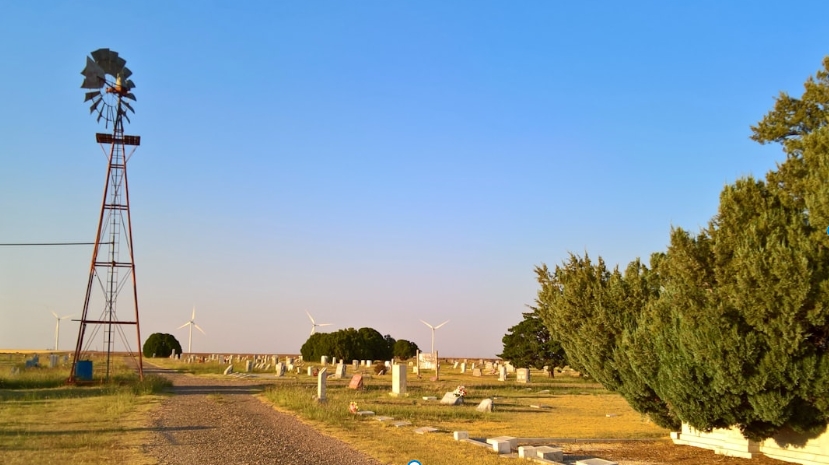
Eternal Rest: Exploring the History of Cemetery Art

Cemetery art, at its core, is a visual narrative dedicated to remembrance. From simple markers to elaborate sculptures, these artistic expressions on gravestones and monuments serve as tangible links to those who have passed and the cultures they lived in. It’s a fascinating look at how societies have grappled with death, grief, and the afterlife over centuries, often reflecting beliefs, social status, and artistic trends of their time. Instead of just a name and dates, these pieces tell stories, sometimes explicitly, sometimes through symbolism, about the individuals beneath and the communities they left behind.
The concept of marking a burial site isn’t new. Even in prehistoric times, rudimentary stones or cairns designated graves, signifying a space set apart for the deceased. These were more about identification and protection than artistic expression, but they laid the groundwork for what was to come.
Ancient Egypt: The Cult of the Dead
Perhaps no ancient civilization embraced funerary art with such fervor as the Egyptians. Their elaborate tombs, rich with hieroglyphs, paintings, and sculptures, weren’t just memorials; they were critical components of the journey to the afterlife. The belief in a detailed afterlife meant that tomb art served a practical purpose: to provide for the deceased in their next life and guide them through its challenges.
- Hieroglyphs and Iconography: These weren’t just decorative; they were spells, prayers, and historical records intended to assist the deceased. Recurring motifs like the Ankh (symbol of life) or the scarab beetle (rebirth) were pervasive.
- Mummification and Sarcophagi: The mummified body itself was often an art object, encased in ornate sarcophagi that depicted the deceased in idealized forms, frequently covered with protective spells and mythological scenes.
- Tomb Paintings and Reliefs: Walls of tombs were adorned with scenes of daily life, banquets, and religious rituals, intended to magically manifest these comforts and necessities for the deceased in the afterlife.
Roman Empire: Dignity and Practicality
Roman funerary art, while influenced by Egyptian and Greek traditions, developed its own distinct character. Emphasis was often placed on civic identity, family lineage, and the accomplishments of the deceased.
- Portraiture: Roman tombs frequently featured realistic busts or full-body sculptures of the deceased, emphasizing individual physiognomy and status. These weren’t idealized; they aimed for a likeness.
- Sarcophagi: Like the Egyptians, Romans used sarcophagi, but theirs often depicted mythological scenes, battle triumphs, or scenes from the deceased’s life, moving away from purely religious iconography.
- Columbaria: For those who chose cremation, columbaria (multi-niche burial chambers) sometimes had small portrait busts or inscriptions marking each urn, focusing on practicality and communal remembrance.
Medieval and Renaissance Eras: Religious Devotion and Status
As Christianity spread, funerary art shifted. While still about remembrance, the focus became more explicitly religious, often reflecting beliefs about salvation, judgment, and resurrection.
Medieval Europe: Stone and Symbolism
Early Christian burials were often simple, but as the faith became more established, tomb art became more elaborate, albeit within a strict religious framework.
- Effigies: Recumbent figures, often depicting knights, bishops, or nobility, became common on sarcophagi inside churches. These effigies were often carved with serene expressions, hands clasped in prayer, symbolizing eternal rest and devotion.
- Tomb Slabs and Brasses: Flat stone slabs or engraved brass plates often covered graves within churches, featuring symbolic Christian imagery like crosses, ichthys (fish), or saints. These offered a more accessible form of commemoration.
- Gothic Cathedrals: While not strictly ‘cemetery art,’ the elaborate tombs within cathedrals became central features, showcasing intricate carvings, often depicting the deceased under canopies or accompanied by angels and saints.
Renaissance: Humanism and Individualism
The Renaissance brought a renewed interest in classical forms and a growing emphasis on humanism, which subtly influenced funerary art. While still religious, there was a greater focus on the individual’s life and achievements.
- Monumental Tombs: Wealthy patrons commissioned grand, often architectural, tombs that were more than just grave markers. They were statements of power, prestige, and piety.
- Allegorical Figures: Beside religious symbols, allegorical figures representing virtues, arts, or sciences often accompanied the deceased’s effigy, celebrating their worldly accomplishments in addition to their faith.
- Epitaphs and Inscriptions: More detailed inscriptions emerged, often celebrating the individual’s life, virtues, and lineage, moving beyond simple prayers for the soul.
The Age of Enlightenment and Victorian Era: Sentimentality and Elaborate Symbolism

The 18th and 19th centuries saw a boom in cemetery art, fueled by new burial practices, romanticism, and a growing fascination with death and mourning. The “garden cemetery” movement, which emphasized picturesque landscapes, provided a new canvas for memorial art.
Georgian and Neoclassical Influences: Restrained Elegance
The Enlightenment brought a more classical aesthetic to funerary art, favoring simpler forms and symbolic motifs.
- Urns and Obelisks: Inspired by classical antiquity, urns (often not containing ashes) and obelisks became popular grave markers, symbolizing remembrance and lasting presence.
- Weeping Figures: Figures of mourning women, often draped in classical robes, became common, expressing grief in a more standardized, idealized way.
- Symbolic Motifs: Common symbols included draped urns (mourning), broken columns (a life cut short), laurel wreaths (victory/honor), and clasped hands (farewell or eternal devotion).
Victorian Era: Profound Sentimentality and Complex Symbolism
The Victorian era, with its rigid mourning rituals and fascination with the morbid, produced some of the most elaborate and symbolically rich cemetery art. Grief was a public display, and memorials were often designed to reflect deep sorrow and enduring love.
- Angels: Angels, in various poses (praying, weeping, pointing to heaven), became ubiquitous, symbolizing divine guidance, protection, and resurrection.
- Flowers and Plants: Specific flowers held complex meanings: lilies (purity, resurrection), roses (love), ivy (fidelity, eternity), poppies (sleep, remembrance).
- Religious Symbolism: Crosses of various styles, Bibles, and lambs (innocence) were incredibly common, reinforcing Christian beliefs about death and the afterlife.
- Personalization: While symbolic, some monuments began incorporating more personal elements, such as specific interests or affiliations of the deceased, though often still within a broader symbolic language.
The 20th Century and Beyond: Modernism and Personal Expression

The 20th century saw radical shifts in art, society, and attitudes towards death. World Wars brought unprecedented loss, and advancements in medical science changed how people viewed mortality. Cemetery art began to reflect these changes, moving towards simpler forms and more direct expressions of individuality.
Simplicity and Mass Production: The Aftermath of War
The sheer scale of casualties from the World Wars led to standardized military cemeteries, prioritizing remembrance and uniformity over individual artistic expression. However, civilian cemeteries also started to see changes.
- Pillar and Slab Stones: Simpler, rectangular or oval headstones became more practical and affordable, often with carved names and dates, sometimes a small etched symbol.
- Mass-Produced Markers: The advent of machinery allowed for more affordable and uniformly produced grave markers, making elaborate, hand-carved monuments less common for the general population.
- Rise of Cremation: As cremation became more common, memorialization sometimes shifted from a grave marker to an urn or plaque in a columbarium, further emphasizing practicality.
Modern and Contemporary Approaches: Individuality Reimagined
In recent decades, there’s been a renewed interest in personal expression within cemetery art, coupled with an exploration of new materials and designs.
- Abstract Forms: Some modern memorials move away from representational figures towards abstract shapes and forms, allowing for more personal interpretation and artistic freedom.
- Material Exploration: While granite and marble remain popular, materials like bronze, glass, and even wood (treated for longevity) are being incorporated, offering new textures and visual effects.
- Reflective and Interactive Elements: Some contemporary memorials include elements designed to be interactive or reflective, like polished surfaces that mirror the surroundings or QR codes linking to online obituaries.
- Focus on Life and Legacy: There’s a subtle shift from solely mourning death to celebrating the life lived, with epitaphs and iconography often highlighting hobbies, professions, or passions of the deceased.
The Future of Cemetery Art: Evolving Narratives
| Cemetery Name | Location | Number of Burials | Established |
|---|---|---|---|
| Greenwood Cemetery | New York City, USA | 150,000 | 1838 |
| Père Lachaise Cemetery | Paris, France | 1,000,000 | 1804 |
| Arlington National Cemetery | Arlington, Virginia, USA | 400,000 | 1864 |
Cemetery art isn’t static; it constantly evolves with societal changes, technological advancements, and shifting perceptions of death and remembrance. As we move forward, we’re likely to see a continuation of these trends, with an even greater emphasis on personalization and innovation.
Digital Memorials and Hybrid Forms
The digital age offers new avenues for remembrance that can complement physical markers.
- QR Codes and Augmented Reality: Scanning a QR code on a headstone can lead to a digital memorial, online obituary, photo galleries, or even videos, adding layers of information and interactivity. Augmented reality could potentially allow for virtual installations or holographic representations at a gravesite.
- Online Guestbooks and Tributes: Digital platforms allow for continuous tributes, stories, and messages from friends and family, creating a living archive of remembrance.
Green Burials and Natural Memorials
There’s a growing movement towards environmentally friendly burial practices, which also influences how we memorialize.
- Biodegradable Markers: Graves in natural burial grounds might be marked with uncarved native stones, plants, or biodegradable plaques, blending seamlessly with the natural landscape.
- Living Memorials: Instead of traditional headstones, trees or memorial gardens might serve as the primary markers, focusing on life and ecological contribution.
Cemetery art, in all its forms, is a testament to humanity’s enduring need to remember, to grieve, and to try and make sense of the ultimate unknown. It’s a rich tap of cultural history, etched in stone and told through symbolism, reflecting the hopes, fears, and beliefs of generations long past and those yet to come. It’s a quiet conversation between the living and the dead, perpetually unfolding in silent landscapes.