

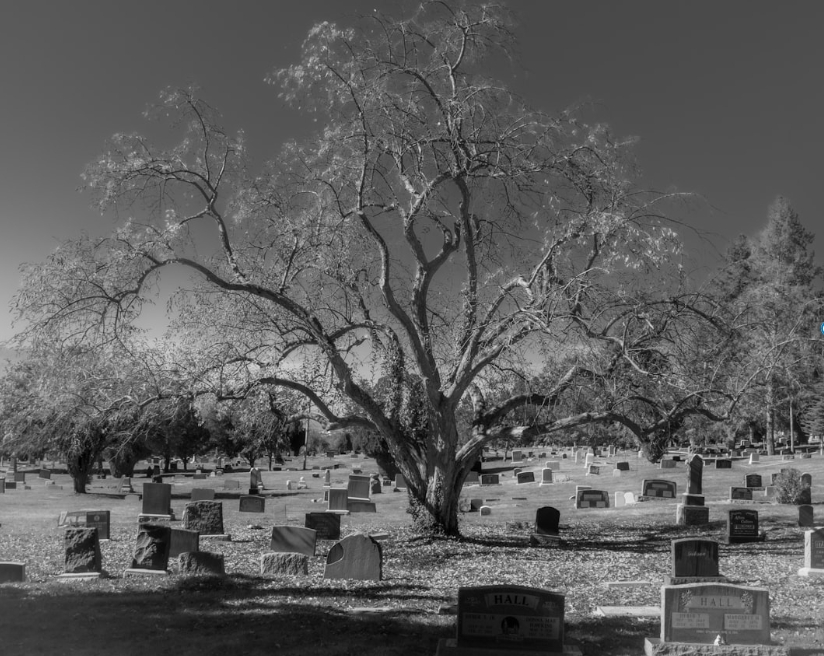
Discovering the Final Resting Place

The pursuit of a final resting place, a concept spanning cultures and millennia, represents more than a mere disposal of remains. It embodies a fundamental human need to acknowledge loss, honor memory, and perhaps, to find solace in the perpetuity of existence. This article explores the multifaceted aspects of discovering, choosing, and understanding the significance of a final resting place.
Humanity’s relationship with death has always been intertwined with the disposition of the deceased. The methods and locations chosen reflect prevailing societal beliefs, technological capabilities, and environmental constraints.
Ancient Origins and Early Memorials
From the earliest hominids, evidence suggests a conscious effort to inter the dead, occasionally with grave goods. This practice hints at nascent beliefs in an afterlife or a continued connection to the departed.
- Neanderthal Burials: While debated, some archaeological sites suggest intentional burial practices amongst Neanderthals, potentially with flowers or tools, indicating early symbolic thought.
- Megalithic Tombs: Structures like dolmens and passage graves, prevalent across Europe during the Neolithic period, served as communal burial sites, highlighting a collective approach to honoring the dead. These monumental constructions speak to the enduring desire for a permanent marker.
- Egyptian Pyramids and Mastabas: The elaborate tombs of ancient Egypt, particularly the pyramids, exemplify a sophisticated belief system centered on the preservation of the body for the journey to the afterlife. The scale and artistry attest to the immense resources dedicated to ensuring a privileged eternal dwelling for pharaohs and elites.
The Rise of Organized Cemeteries
As civilizations grew and populations concentrated, the sporadic, individual burial practices evolved into more structured, communal arrangements.
- Roman Necropolises: Roman law often prohibited burial within city limits, leading to the development of extensive necropolises (cities of the dead) along major roads outside urban centers. These areas included elaborate mausoleums and more humble graves, reflecting social stratification even in death.
- Early Christian Catacombs: In Rome, early Christians utilized underground networks of tunnels and chambers, the catacombs, for burial. These served as both a practical solution to land scarcity and a secure location for a persecuted community to observe their rituals.
- Medieval Churchyards: With the spread of Christianity, churchyards became the primary burial ground. Proximity to the church was often desired, believed to offer spiritual benefits to the deceased. This practice cemented a close link between faith and the final resting place.
Modern Cemetery Design and Evolution
The 19th century witnessed a significant shift in cemetery design, moving towards more landscape-oriented, park-like environments.
- The Rural Cemetery Movement: Driven by concerns about public health and a romanticized view of nature, the rural cemetery movement in the United States and Europe advocated for large, aesthetically pleasing grounds outside urban centers. Mount Auburn Cemetery in Cambridge, Massachusetts, established in 1831, is a prime example, influencing subsequent designs.
- Garden Cemeteries: These cemeteries integrated landscaping, pathways, and water features, providing not only burial spaces but also serene environments for contemplation and recreation. They offered a stark contrast to the often-cramped and neglected urban churchyards.
- Rise of Cremation and Columbariums: The late 19th and 20th centuries saw a resurgence of cremation as an alternative to traditional burial, primarily due to sanitation concerns, land scarcity, and changing religious views. Columbariums, structures designed to house urns containing cremated remains, became a new form of final resting place.
If you’re interested in exploring various cultural perspectives on death and burial practices, you may find the article on finding a grave site particularly insightful. It delves into the significance of burial traditions across different cultures and offers practical tips for locating grave sites. To read more about this fascinating topic, visit the article here: Cultural Perspectives on Death and Burial Practices.
The Emotional and Psychological Dimensions
The search for a final resting place is profoundly personal, laden with emotional and psychological significance for both the deceased’s family and, sometimes, for the individual making arrangements for themselves.
Grieving and Remembrance
The physical site of a final resting place often serves as an anchor for grief, providing a tangible location for remembrance.
- A Place to Visit: For many, visiting a grave or memorial offers a vital opportunity to connect with the deceased, to reflect, and to continue the grieving process. It is a portal to memory.
- Rituals and Traditions: Numerous cultural and religious rituals are associated with final resting places, from placing flowers and lighting candles to reciting prayers. These acts reinforce the bond with the departed and provide a framework for navigating loss.
- The Comfort of Proximity: Knowing where a loved one is interred can offer a sense of peace and closure. It provides a fixed point in a world suddenly without their presence.
Legacy and Identity
The choice of a final resting place can also be a statement about legacy, identity, and the desire to be remembered in a particular way.
- Family Plots: The tradition of family plots reinforces lineage and continuity, creating a physical representation of generations bound together. It anchors a family’s history to a specific place.
- Commemorative Markers: Headstones, plaques, and other memorials often bear inscriptions, symbols, and artistic elements that communicate aspects of the deceased’s life, passions, or beliefs. These markers are miniature biographies, etched in stone.
- Symbolic Locations: Some individuals choose burial in places that held special significance for them during their lives, such as a favorite national park, a battlefield, or an ancestral homeland. These choices imbue the resting place with deeper personal meaning.
Navigating Anticipatory Grief
For individuals making their own arrangements, the process can involve confronting mortality and managing anticipatory grief, yet it also affords a sense of control.
- Pre-Need Planning: Deciding on a final resting place in advance allows individuals to express their own preferences, alleviating the burden on family members during a difficult time. It is a last act of agency.
- Personalization: This pre-planning often includes selecting specific plots, types of memorials, and even epitaphs, ensuring that the resting place truly reflects the individual.
- Peace of Mind: For some, knowing that these arrangements are in place offers a measure of peace, a certainty in the face of the unknown.
Practical Considerations and Modern Choices

Beyond the emotional resonance, practical considerations heavily influence the selection of a final resting place. These factors are increasingly diverse in the modern era.
Traditional Burial Options
Traditional earth burial remains a prevalent choice, though options within this category have expanded.
- Grave Plot Selection: This involves choosing the size, location, and orientation of the plot within a cemetery. Factors like proximity to paths, trees, or family plots are often considered.
- Types of Caskets and Vaults: Caskets vary widely in material, design, and cost. Burial vaults, typically made of concrete, are often required by cemeteries to prevent ground settling and maintain the integrity of the plot.
- Grave Markers and Monuments: Headstones, monuments, and plaques serve as identifying markers and often display biographical information and sentiments. Materials, size, and design can be customized.
Cremation and Its Alternatives
Cremation, once a less common choice in some cultures, has gained significant popularity, offering a range of disposition options.
- Urn Selection: Urns, designed to hold cremated remains (ashes), come in various materials, sizes, and aesthetic designs, often reflecting personal preferences or cultural traditions.
- Columbariums and Niches: Many cemeteries and funeral homes provide columbariums with individual niches for the permanent storage of urns. These offer a dedicated place for remembrance.
- Scattering of Ashes: The practice of scattering ashes, either in a designated scattering garden or a special location, provides a more ephemeral resting place, connecting the deceased with nature or a meaningful environment. Regulations regarding scattering vary significantly by location.
- Burial of Urns: Urns can also be interred in ground plots, similar to traditional casket burials, often within a smaller, designated area or a family plot.
Emerging and Eco-Conscious Options
A growing awareness of environmental impact and a desire for more personalized, sustainable choices have led to the development of innovative final resting place options.
- Green Burials (Natural Burials): This environmentally friendly approach emphasizes minimizing impact. It typically involves biodegradable shrouds or caskets, no embalming, and burial in natural settings without traditional grave liners or vaults. The aim is to allow the body to return to the earth as naturally as possible.
- Burial at Sea: For those with a connection to the ocean, burial at sea offers a maritime final resting place. This is subject to strict regulations regarding location and preparation of remains.
- Alkaline Hydrolysis (Water Cremation): This alternative to traditional flame cremation uses water, alkaline chemicals, and heat to reduce the body to skeletal remains. It is considered a more environmentally friendly process due to lower energy consumption and emissions.
- Transformative Memorials: Some companies offer services that incorporate cremated remains into lasting objects, such as diamonds, glass art, or reef balls for marine conservation. These options transform the remains into a tangible, enduring memorial.
Legal and Administrative Frameworks

The discovery and establishment of a final resting place are governed by a complex web of legal and administrative frameworks, ensuring proper identification, respectful handling, and public health standards.
Identification and Documentation
Accurate identification of the deceased is paramount and forms the foundation of all subsequent procedures.
- Medical Examiner/Coroner Involvement: In cases of unexpected death, the medical examiner or coroner plays a crucial role in determining the cause of death and formally identifying the individual.
- Death Certificates: The death certificate is a legally required document, officially recording the death, its cause, and the disposition of the remains. It is essential for settling estates and other administrative matters.
- Genealogical Records: For historical or archaeological discoveries of human remains, meticulous documentation is crucial for genealogical research, allowing for potential identification of long-deceased individuals and understanding population movements.
Regulations and Permits
Both common law and statutory regulations govern burial and cremation practices, aiming to protect public health and ensure respectful treatment of the deceased.
- Burial Permits: A burial permit, issued by a government authority, is typically required before a body can be buried or cremated. This ensures that legal requirements have been met.
- Cemetery Regulations: Cemeteries operate under specific rules and regulations regarding plot usage, types of memorials allowed, visiting hours, and maintenance. These are designed to maintain order and respect within the grounds.
- Environmental Laws: Regulations related to green burials, burial at sea, and the scattering of ashes address environmental concerns, ensuring practices do not harm ecosystems or public health.
Repatriation and Indigenous Rights
The discovery of ancient or indigenous human remains raises significant ethical and legal questions, particularly concerning repatriation.
- Native American Graves Protection and Repatriation Act (NAGPRA): In the United States, NAGPRA mandates the repatriation of Native American human remains, funerary objects, sacred objects, and objects of cultural patrimony to lineal descendants and culturally affiliated Native American tribes and Native Hawaiian organizations. This landmark legislation acknowledges historical injustices and respects indigenous spiritual beliefs regarding the deceased.
- International Agreements: Similar principles are recognized in international declarations and conventions that advocate for the respectful treatment and, where appropriate, repatriation of indigenous human remains held in museums or research institutions.
- Ethical Considerations in Archaeology: Modern archaeological practice emphasizes collaborative approaches with descendant communities, seeking their input and consent in the excavation, study, and eventual disposition of human remains. This marks a shift from purely scientific prerogatives to a more ethically informed methodology.
If you’re looking for inspiration on what to write on a headstone, you might find this article helpful as it offers meaningful epitaph ideas that can truly honor a loved one’s memory. You can explore it further by visiting this link. Finding the right words can be a significant part of the process when creating a lasting tribute at a grave site.
The Enduring Quest for Meaning
| Metric | Description | Example Data |
|---|---|---|
| Number of Grave Sites Listed | Total count of grave sites documented in the database | 200 million+ |
| Average Photos per Grave Site | Number of user-uploaded photos associated with each grave site | 3 |
| Search Queries per Day | Average number of daily searches performed on the platform | 500,000 |
| Number of Cemeteries Covered | Total cemeteries included in the database worldwide | 600,000+ |
| Average Time to Locate a Grave Site | Typical time taken by users to find a specific grave site | 2-5 minutes |
| User Contributions per Month | Number of new grave site records or photos added monthly by users | 50,000+ |
Ultimately, the act of discovering a final resting place, whether for a loved one in the present or for an ancestor from the distant past, is a search for meaning. It is an acknowledgment of life’s transient nature and the enduring human need to mark passage.
Memorialization as a Human Impulse
The erection of memorials, from simple stones to grand monuments, speaks to a deeply ingrained human impulse to memorialize, to defy oblivion.
- Timeless Narratives: Each grave marker, each urn in a columbarium, tells a silent story. It is a whisper across the generations, a testament to a life lived. The physical resting place becomes a library of individual histories.
- Collective Memory: Cemeteries, in particular, often serve as repositories of collective memory, reflecting the history of a community, its triumphs, its tragedies, and its evolution. They are historical texts written in stone.
- Art and Architecture: Across cultures and eras, the final resting place has inspired profound artistic and architectural expressions, transforming sites of grief into places of beauty and contemplation. From elaborate mausoleums to minimalist memorial gardens, the aesthetic choices reflect cultural values and individual desires.
Connection Across Generations
The final resting place provides a tangible link, a bridge between the living and the dead, connecting past, present, and future generations.
- Genealogical Anchors: For many, visiting the graves of ancestors is a vital part of understanding their family history and heritage. It grounds personal identity within a broader lineage.
- Passing Down Stories: The stories associated with those interred are often passed down, keeping memories alive and ensuring that the legacy of a life continues to resonate. The resting place is often the initial prompt for these narratives.
- The Cycle of Life and Death: Confronting the reality of a final resting place encourages reflection on the cyclical nature of life and death, fostering a deeper appreciation for the present moment and the continuity of existence. It is a stark reminder, yet also a subtle reassurance that life finds a way to perpetuate itself through memory and legacy.
In conclusion, the journey of discovering a final resting place is a multifaceted endeavor, encompassing historical practices, emotional needs, practical considerations, and legal frameworks. It is a testament to humanity’s profound engagement with mortality, an enduring quest to mark existence, honor memory, and find solace in the face of life’s ultimate certainty.