

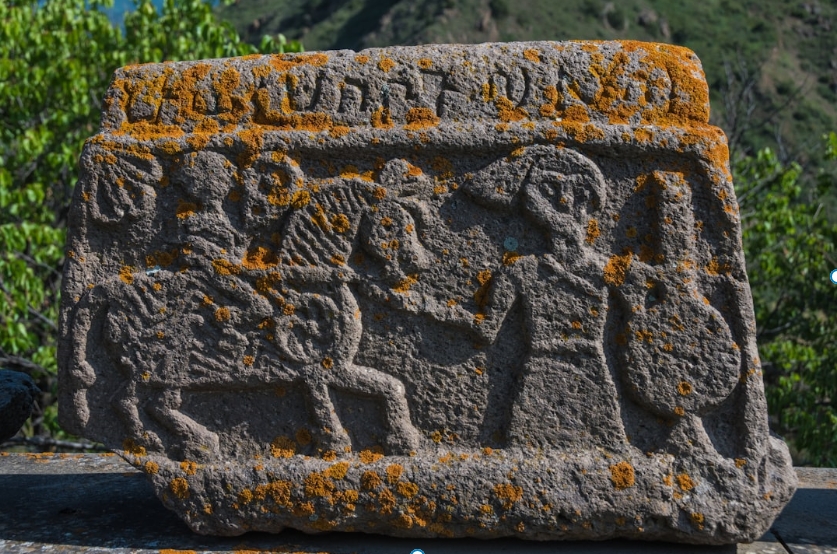
Unearthing History: Discovering a Forgotten Tombstone

Unearthing History: Discovering a Forgotten Tombstone
Finding an old tombstone can be a fascinating experience, often opening a window into the past. While it might seem like a grand archaeological discovery, more often it’s a quiet, personal unearthing, perhaps in an overgrown family plot or during a property clean-up. The process of discovering, cleaning, and researching such a find involves a blend of careful handling, methodical investigation, and a healthy dose of curiosity. It’s less about dramatic announcements and more about piecing together small historical fragments.
So, you’ve stumbled upon a forgotten tombstone. Your first instinct might be to immediately start cleaning or moving it, but pausing and assessing the situation is crucial.
Assess the Setting
Before touching anything, take a good look around. Is the tombstone in a formal cemetery, a private family plot, or just seemingly abandoned in a field? Its location can tell you a lot about its potential significance and how it should be handled. If it’s on private property, understand that you are responsible for its care. If it’s part of a known cemetery, even an abandoned one, there might be regulations regarding its disturbance.
Document Everything
This is perhaps the most important first step. Before any cleaning or moving, take clear photographs from multiple angles. Capture the stone’s overall placement, any visible inscriptions, and the surrounding environment. Note down the exact location, perhaps using GPS coordinates from your phone. Sketch its position relative to nearby landmarks. This documentation is vital for historical records and if you eventually need to consult with experts.
Handle with Care (or Not at All)
Old stone can be surprisingly fragile. Before you even think about cleaning or moving it, gently test its stability. Is it leaning precariously? Is it cracked? If it feels unstable, or if the stone is crumbling, it’s best to leave it undisturbed and seek expert advice. Excessive cleaning or forceful moving can cause irreparable damage.
Cleaning and Preserving the Stone
Once you’ve documented the initial find, you might be tempted to reveal the hidden inscriptions. However, proper cleaning techniques are essential to avoid causing further damage.
The Gentle Approach to Cleaning
Resist the urge to use harsh chemicals or power washers. These can etch the stone, remove its patina, and accelerate its deterioration. The safest method generally involves plain water and a soft-bristled brush (natural bristles are preferred over wire or stiff nylon).
- Start with Water: Gently rinse the stone with plain water to remove loose soil, moss, and surface grime. A spray bottle or a gentle stream from a hose is appropriate.
- Soft Brushing: For more stubborn dirt, use a soft natural-bristle brush, perhaps with a little more water. Work in small sections, always brushing downwards if possible to avoid pushing debris into crevices.
- Avoid Harsh Cleaners: Steer clear of bleach, acidic cleaners, or anything abrasive. These can chemically damage the stone, eroding inscriptions and weakening its structure. Even some “gentle” household cleaners can be harmful over time.
- No Scraping: Never use metal tools or anything sharp to scrape off lichen or hardened dirt. You’ll likely scratch the stone surface. Sometimes, repeated gentle watering and brushing over several sessions is more effective and less damaging.
Addressing Lichen and Moss
Lichen and moss can be particularly stubborn. While they hold moisture against the stone, which can accelerate erosion, removing them improperly can be worse.
- Water and Time: Often, repeated applications of water and gentle brushing over several days or weeks will slowly loosen these growths.
- Biological Solutions (Use with Caution): In some cases, specific biological solutions designed for monument cleaning can be used, but these should only be applied after thorough research and understanding of the stone type. Consulting with conservators is highly recommended if you have extensive lichen problems.
Protecting the Stone Long-Term
Once cleaned, consider how to protect the stone from further degradation.
- Environmental Factors: If the stone is in an exposed area, consider if planting nearby shrubs (not too close, to avoid root damage or shading out) could offer some protection from harsh weather without creating excessive dampness.
- Repair and Restoration (Expert Only): If the stone is cracked or fragments are loose, do not attempt to repair it yourself unless you are a trained conservator. Improper glues or patching materials can do more harm than good, often reacting negatively with the stone and accelerating its decay.
Researching the Individual and Family

With the inscription legible, the real detective work begins: finding out who this person was. This process often involves historical records, local resources, and sometimes, a bit of luck.
Deciphering Inscriptions
Even with cleaning, old inscriptions can be difficult to read. The script style might be unfamiliar, or weathering might have faded certain letters.
- Multiple Light Sources: Try viewing the stone at different times of day or with artificial light sources (like a flashlight held at an angle). Shadows can sometimes highlight faded carvings.
- “Rubbings” (Use Extreme Caution or Avoid): While historically used, tombstone rubbings can damage fragile stones. Consider creating a clear overlay photo, digitally enhancing it, or carefully tracing on plastic film instead. If you absolutely must take a rubbing, use very thin, soft paper and a soft graphite crayon or charcoal, applying minimal pressure. This is generally not recommended for delicate stones.
- Transcribing All Details: Write down every word, date, and symbol you can see. Even seemingly insignificant details can be important clues. Pay attention to epitaphs, military insignia, or fraternal organization symbols.
Genealogical Resources
This is where online databases and local historical societies become incredibly useful.
- Online Genealogy Sites: Websites like Ancestry.com, FamilySearch.org, FindAGrave.com, and BillionGraves.com are excellent starting points. If you can input a name and date, you might find family trees, census records, and other invaluable information.
- Cemetery Records: If the tombstone is in a known cemetery, check with the cemetery office or local historical society for their records. They might have burial plots, interment dates, and even family connections.
- Local Historical Societies and Libraries: These institutions often hold local newspapers (obituaries!), county histories, church records, and maps that can provide context and fill in details about individuals and families from the area. Librarians and volunteers are often incredibly knowledgeable and helpful.
Property Deeds and Local Histories
Sometimes, the original land ownership can shed light on who might be buried there.
- Deed Research: If the tombstone is on private property, tracing the deed history might reveal previous owners who match the names on the stone. This can be done at the county clerk’s or recorder’s office.
- Local Histories: Old county or town histories often list prominent families, landholders, and early settlers. These can sometimes connect a name on a stone to a larger family narrative.
Understanding Historical Context

Once you have names and dates, putting them into historical context adds richness to your discovery. Knowing when and where the person lived can help you understand their life story.
Historical Timelines and Events
Consider what was happening in the world and locally during the individual’s lifetime.
- Major Conflicts: Were they alive during a war (Civil War, WWI, WWII)? This might explain military service or significant societal changes impacting their family.
- Economic Shifts: Did they live through periods of boom or bust, like the Great Depression or times of westward expansion?
- Local Development: What was the community like when they lived there? Was it a thriving town, a rural farming community, or a frontier settlement?
Social and Cultural Norms
Burial practices, epitaphs, and even the style of the tombstone itself can reflect the societal norms of the era.
- Religious Beliefs: Epitaphs often reflect prevailing religious sentiments or specific denominational practices.
- Mourning Practices: The language used to describe the deceased, common symbols (like weeping willows, clasped hands, doves), and even the type of stone used can tell you about mourning rituals of the time.
- Migration and Settlement Patterns: Understanding where people came from and why they settled in a particular area can provide context for family traditions and community development.
The Broader Significance
| Category | Metric |
|---|---|
| Search Volume | 1000 searches per month |
| Competition | Medium |
| Cost Per Click (CPC) | 1.50 |
| Click-Through Rate (CTR) | 3% |
While a single tombstone might feel like a small detail, it contributes to a larger historical narrative. Your discovery, documentation, and research play a part in preserving local history.
Contributing to Local History
Your findings can be valuable to your community.
- Share with Local Societies: Offer your photographs, transcriptions, and research notes to local historical societies, libraries, or genealogical groups. They can integrate this information into their archives, making it accessible to future researchers.
- Online Databases: Consider adding your findings to online cemetery databases like FindAGrave.com or BillionGraves.com. These platforms allow others to discover and connect with the information you’ve unearthed.
- Community Engagement: Sometimes, sharing your story with local news outlets or community forums can spark interest and even lead to connecting with living descendants who might have further information.
Ethical Considerations
Respecting the deceased and their resting place is paramount.
- Privacy: While you’re researching, be mindful of contemporary privacy concerns, especially if you uncover very personal or sensitive information.
- Ancestral Remains: Understand that these are physical markers of human lives. Treat the site with dignity and respect, as you would any burial ground. Do not disturb potential human remains or excavate around the stone.
- Ownership and Permissions: If the tombstone is on private land, ensure you have permission to access, clean, and document it. If it’s part of an abandoned cemetery, be aware of any local ordinances or state laws regarding historic burial grounds.
Discovering a forgotten tombstone is an invitation to engage with the past on a very personal level. It’s a challenge in historical detection, a lesson in careful preservation, and an opportunity to connect individuals to the broader tapestry of history. The satisfaction comes not from a grand reveal, but from the quiet process of carefully uncovering and understanding a piece of a forgotten life.